185 Hours — Single Engine
Build fundamental aircraft-handling, navigation and operational skills through structured single-engine flying.
Home / Courses / Commercial Pilot License
Complete your commercial flight training through Aerowis, with flight-training options across India and selected international destinations. Build the flying experience, ratings and practical skills required to progress towards your commercial pilot licence.
200+ Flight hours, DGCA commercial minimum
CPL + MEIR Commercial Pilot Licence + Multi-Engine Instrument Rating
12–18 months Typical training duration
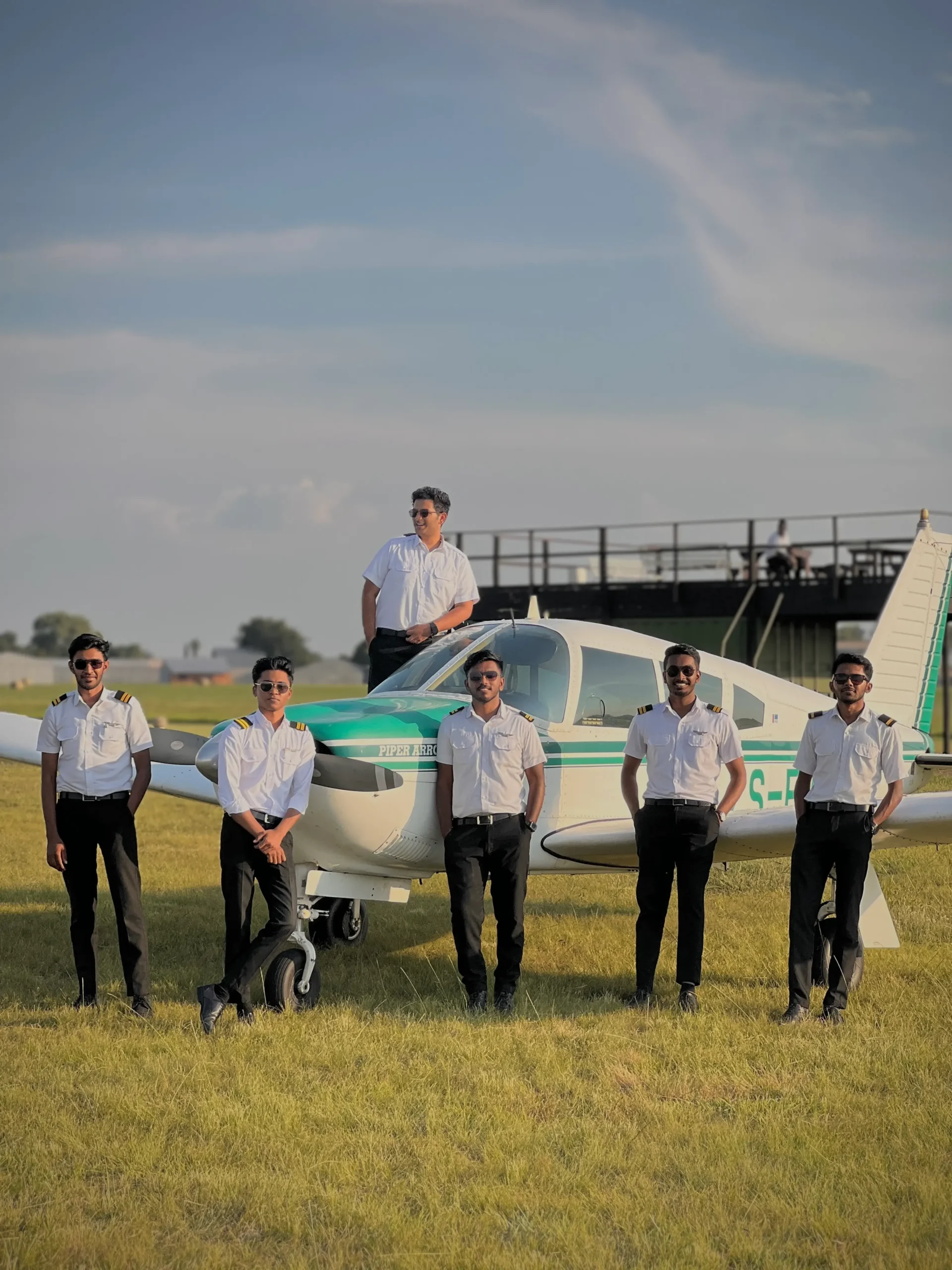
Your flight training is structured to progressively build the experience and skills required for commercial aviation, from initial single-engine flying through multi-engine and instrument training.
Build fundamental aircraft-handling, navigation and operational skills through structured single-engine flying.
Develop experience and proficiency in multi-engine aircraft as part of your commercial training.
Develop the practical skills required for instrument flight and progress towards the Multi-Engine Instrument Rating.
Complete the applicable flight-training and licensing requirements towards a Commercial Pilot Licence with Multi-Engine Instrument Rating.
Aerowis has associated flight-training options across India, the Philippines, South Africa, Greece and the United States. Each destination offers a different combination of weather, flying environment, infrastructure, cost and licensing pathway.
The Philippines offers a cost-conscious training environment with favourable flying weather for much of the year. Consistent flying conditions can support regular training and potentially faster completion.
South Africa combines competitive training costs with a large general aviation environment and varied flying conditions. Its established aviation ecosystem also makes it a familiar training destination for many Indian students.
Greece provides an EASA licensing pathway within a European aviation environment. Favourable weather can support regular flying, while training costs can be comparatively lower than in some other European destinations. The EASA theory examination route is also relevant for students considering European licensing.
Training in India allows students to complete their flying within the Indian licensing system, without the foreign-licence conversion process. Lower living costs, improving training infrastructure and domestic financing options can make it a practical choice.
The United States offers extensive flight-training infrastructure and one of the world's largest general aviation environments. Suitable regions provide favourable flying weather, while exposure to busy and complex airspace adds a broad operational dimension to training.
Wherever you complete your flying, Aerowis remains involved throughout the training process.
Before you begin, we help you understand the applicable licensing requirements, training structure and documentation for your chosen route. Once training begins, we stay connected with you and the training team, following your flight progress and keeping track of your development throughout the programme.
Our role is not simply to arrange a training location. We remain your point of contact throughout the flight-training stage, helping you stay informed and on track towards your licensing requirements.
Understand what is required before you begin.
Stay connected with your training and flight progress.
Receive continued support throughout your flight-training journey.
For cadets aiming at airline decks, and for parents who want the hour count and the limits in the same conversation.
Physics, Mathematics and English. Age 17 or above. Begin with structured DGCA ground training, then flying.
Step from private flying into commercial hours and the ratings the airline path expects.
Skip straight to partner flight training. Holders of an overseas CPL come in for conversion, then airline prep if they want the next step.
Why Aerowis
01
Classes, practice sessions and advisor support are coordinated from our Calicut campus, so you spend your time learning instead of chasing separate training providers.
02
Vivas, group discussions and presentations build the confidence and communication airline interviews ask for, so you are well prepared long before selection day arrives.
03
Aerowis maps out what comes next: partner flight schools in India and abroad, then dedicated airline preparation once you hold your Commercial Pilot Licence.
04
Get honest guidance on eligibility, timelines and costs before you pay anything, so you can decide with the full picture and no surprises later.
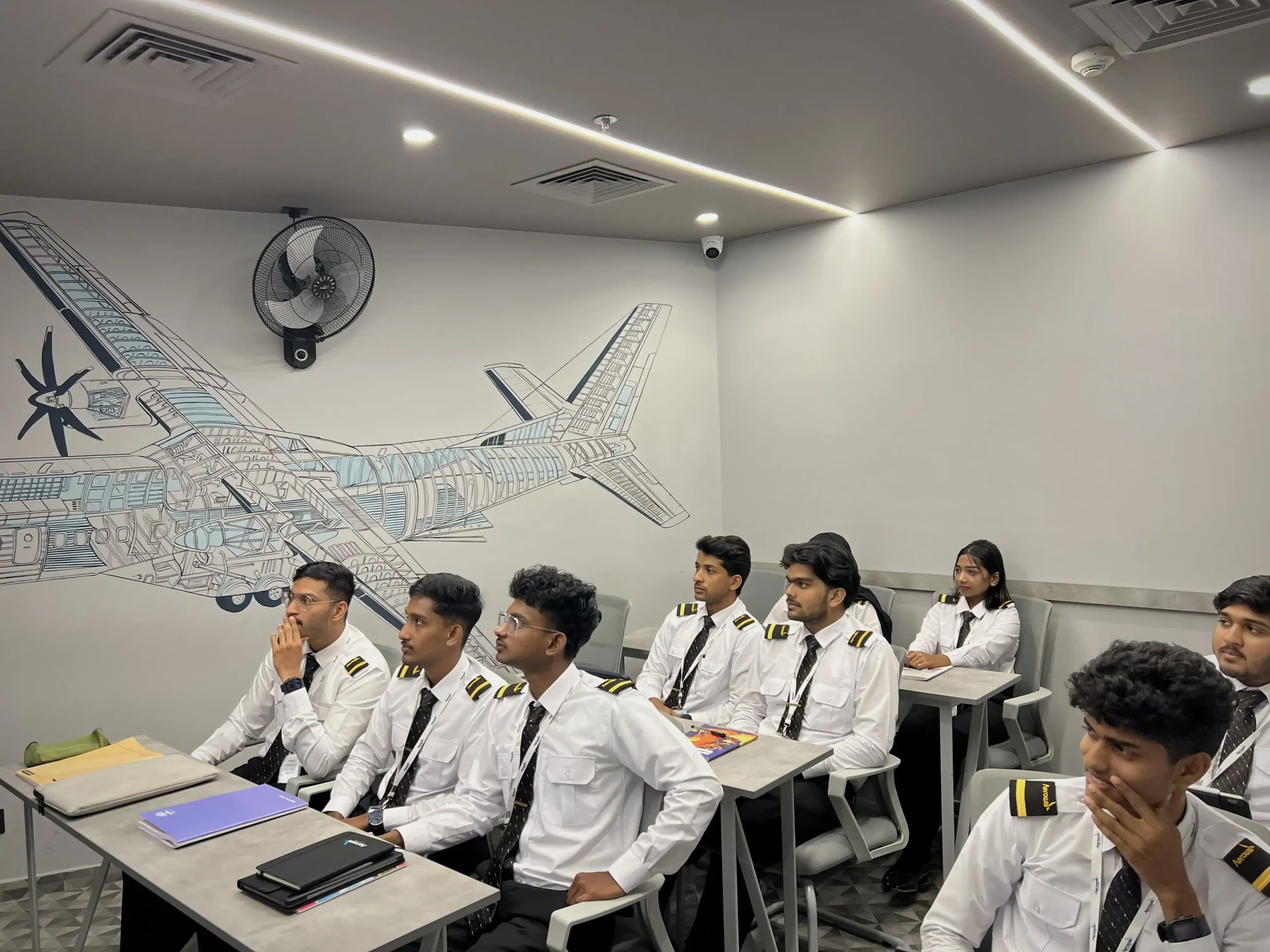
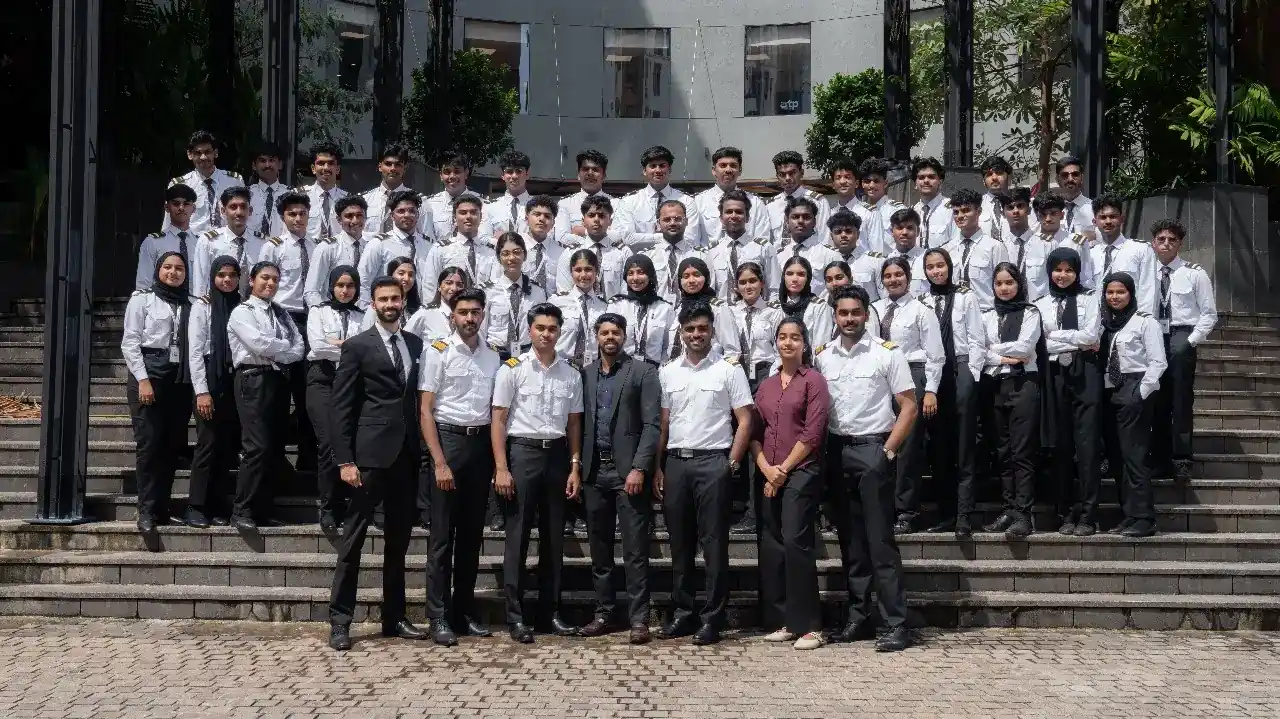
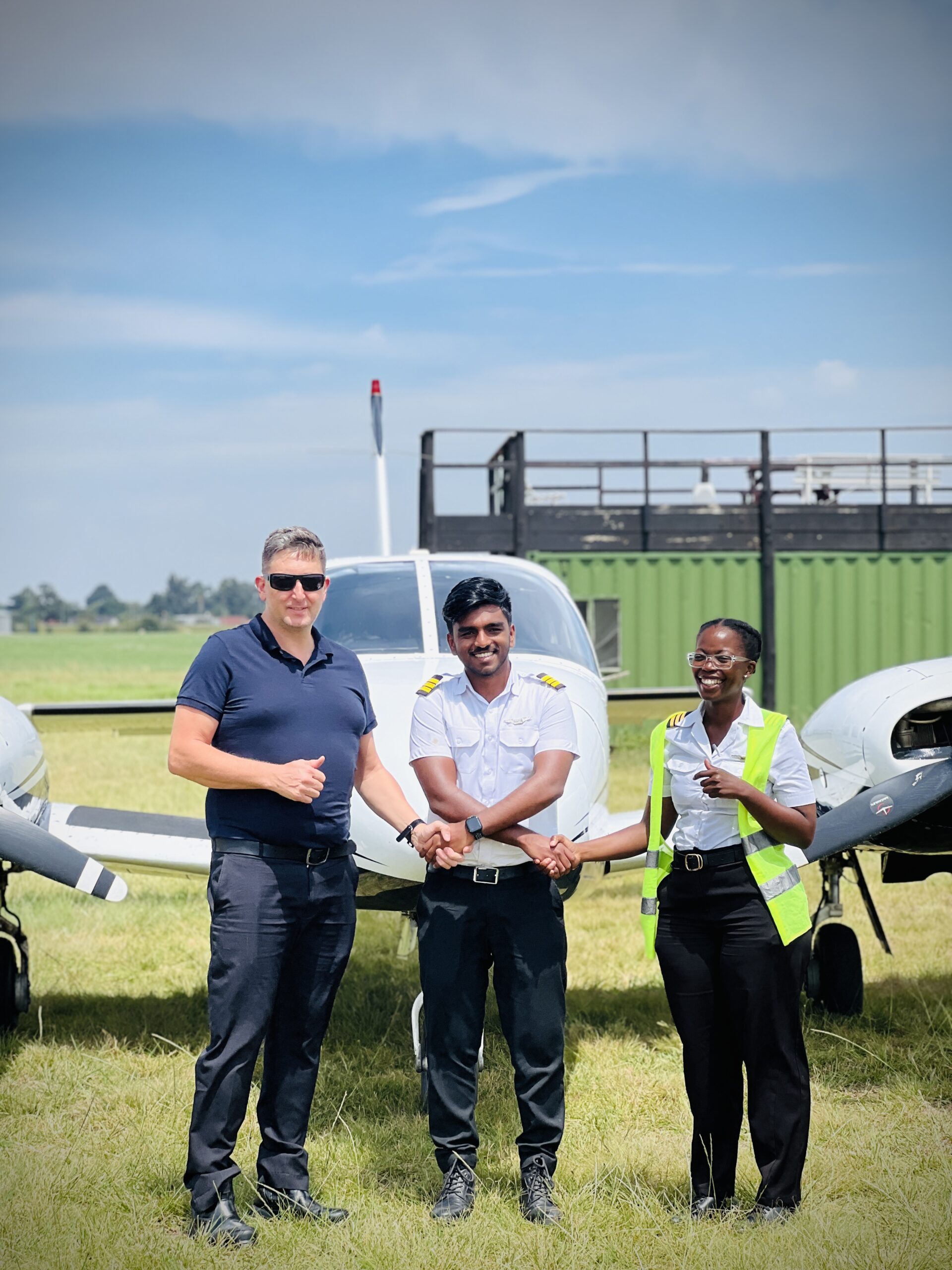
Three frames from this academy. No stock cockpit wall.
The course page gives a typical duration of 12 to 18 months for CPL and MEIR flight training. Your own timeline depends on the destination, weather, training slots, exam results and medical clearance. Ask the advisory desk for a written schedule for your chosen route before you commit.
The programme is built around 200 or more flight hours, which Aerowis lists as the DGCA commercial minimum. This includes 185 hours of single-engine flying and 15 hours of multi-engine flying, along with instrument training. Check the current DGCA requirements with the advisory desk for your case.
MEIR stands for Multi-Engine Instrument Rating. The programme works towards a Commercial Pilot Licence together with this rating, so training covers single-engine flying, multi-engine flying and instrument flying. Ask the advisory desk how the rating fits into your chosen route and timeline.
Aerowis has associated flight-training options in India, the Philippines, South Africa, Greece and the United States. Each differs in weather, infrastructure, cost and licensing pathway, and Greece offers an EASA pathway. Tell the advisory desk your budget and timeline, and they will explain how the options compare.
No. Flying is delivered through associated flight-training organisations, while Aerowis teaches ground school in Calicut. Aerowis stays involved throughout: it explains requirements and documentation before you start, then stays connected with you and the training team and follows your flight progress.
It depends on your starting point. Students beginning after Class 12 usually start with DGCA ground school and then move to flying. If you have already cleared your theory papers, you can go straight to partner flight training. Ask the advisory desk to confirm the right sequence for you.
Aerowis lists Class 12 with Physics, Mathematics and English, a minimum age of 17 and a DGCA Class 2 medical for its CPL pathway. If you already hold a PPL or have cleared your papers, you can join at that stage. Ask the advisory desk if your profile differs.
It can. Training in India keeps your flying within the Indian licensing system, without foreign-licence conversion. If you train overseas, you may need extra licensing steps, such as DGCA licence conversion. Ask the advisory desk how this applies to the destination you are considering before you pay.
Costs are not listed on the course page because they depend on the destination, the training organisation and your starting point. Call or WhatsApp +91 8594 000 730 or email info@aerowis.com, and ask for a written breakup that covers flying hours, exams, medicals and living costs.
No. A licence is not a job offer. Airlines run their own selection, which can include written exams, aptitude tests, group discussions and interviews. Aerowis offers airline preparation for CPL holders to help you prepare, but no academy can promise you a seat.
Explore your training options, understand the requirements and choose the route that fits your goals.